For homeowners and renters alike, maintaining a clean and healthy living space is essential, especially for those who suffer from allergies. Allergens can accumulate in various forms, including dust, pollen, pet dander, and mold, making it crucial to implement effective cleaning strategies. With the right approach, you can reduce these irritants and create a more comfortable environment for yourself and your family.
Understanding Common Household Allergens
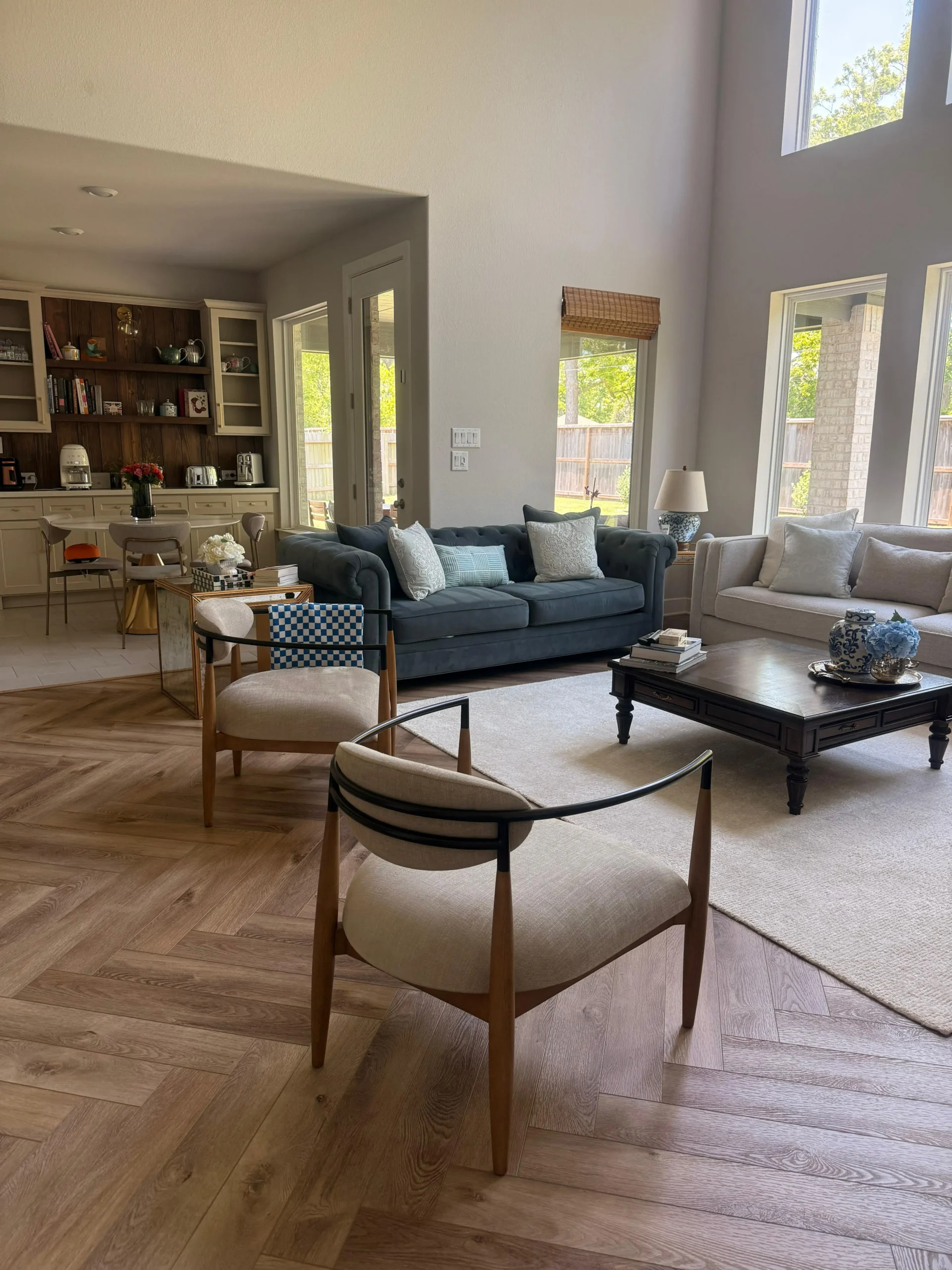
Before diving into cleaning techniques, it’s important to recognize the common allergens that may be present in your home. Dust mites, pet hair, mold spores, pollen, and cigarette smoke are just a few of the culprits that can trigger allergic reactions. By identifying these allergens, you can take targeted actions to minimize their presence in your living space.

1. Create a Cleaning Schedule
Establishing a regular cleaning schedule is one of the most effective ways to keep allergens at bay. Consider dedicating specific days each week to tackle different areas of your home. This not only ensures that cleaning doesn’t become overwhelming but also helps maintain a consistent level of cleanliness. For instance, you might choose to vacuum on Mondays, dust on Wednesdays, and do laundry on Fridays.
2. Invest in a Quality Vacuum Cleaner
When selecting a vacuum cleaner, look for one equipped with a HEPA filter. These filters are designed to trap small particles, including allergens, ensuring they are not released back into the air during cleaning. Regular vacuuming of carpets, rugs, and upholstery can significantly reduce dust mites and pet dander, making it an essential part of your cleaning routine.
3. Dust Regularly and Effectively
Dusting is another critical task that should be done weekly. Use microfiber cloths or electrostatic dusters, which can trap dust rather than just spreading it around. Pay special attention to surfaces that often accumulate dust, such as shelves, blinds, and ceiling fans. Don’t forget to dust electronics, as they can attract dust and allergens as well.
4. Wash Bedding and Linens Frequently
Your bedding can be a haven for allergens, especially dust mites. Washing sheets, pillowcases, and blankets in hot water at least once a week can help eliminate these pests. Additionally, consider using allergen-proof covers on pillows and mattresses to provide an extra layer of protection.
5. Maintain Clean Curtains and Blinds
Curtains and blinds can also collect dust and allergens, so it’s essential to clean them regularly. Depending on the material, you can wash curtains in the machine or use a damp cloth to wipe down blinds. This simple step can make a noticeable difference in your home’s air quality.
6. Control Humidity Levels
High humidity can encourage mold growth, which is a significant allergen for many individuals. Use dehumidifiers in areas prone to moisture, such as bathrooms and basements, and ensure proper ventilation throughout your home. Keeping humidity levels between 30% and 50% can help deter mold and dust mites.
7. Reduce Clutter and Organize Your Space
A cluttered home can trap allergens and make cleaning more challenging. Take time to declutter and organize your space, keeping surfaces clear to reduce dust accumulation. Utilize storage bins and shelves to minimize items left out in the open, and regularly evaluate your belongings to keep only what you truly need.
8. Consider Professional Cleaning Services
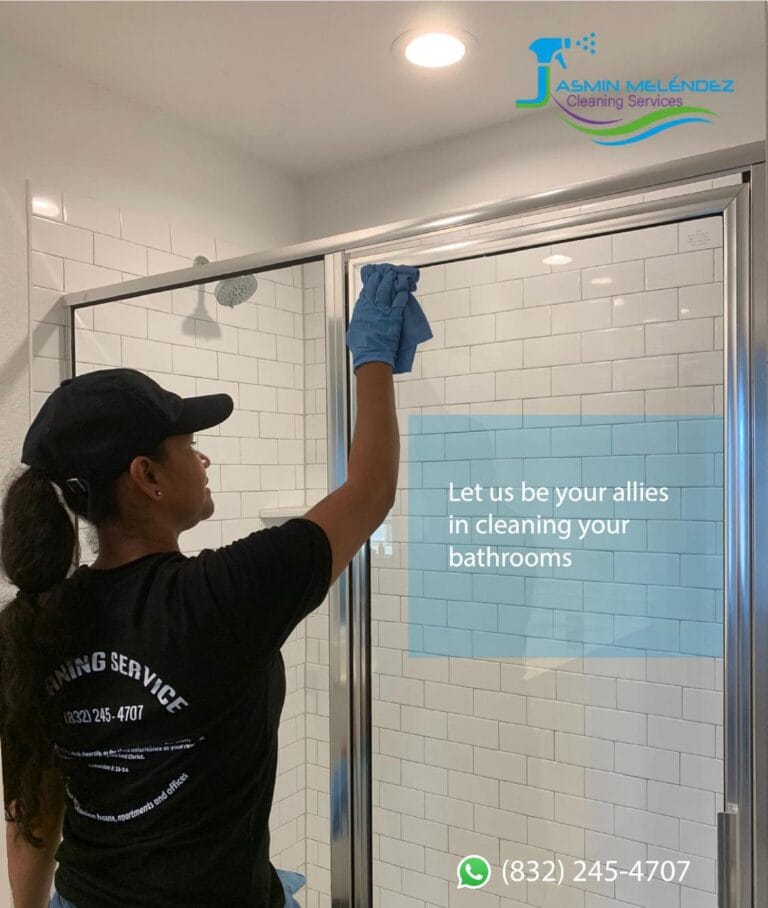
If managing allergens feels overwhelming, you might consider seeking help from professional cleaning services. Services like house cleaning services can provide thorough cleanings tailored to your specific needs. They can help ensure that your home remains a safe haven from allergens.
9. Keep Windows Closed During High Pollen Seasons
During certain times of the year, pollen counts can rise dramatically. To reduce outdoor allergens from entering your home, keep windows closed during these periods. Instead, rely on air conditioning to maintain a comfortable temperature while filtering out allergens.
10. Use Air Purifiers
Investing in air purifiers with HEPA filters can significantly improve indoor air quality. Place them in frequently used rooms, such as the living room and bedroom, to help capture airborne allergens. Regularly changing the filters in your air purifiers is essential to ensure they function effectively.
Conclusion
By implementing these cleaning tips, you can create a healthier living environment that minimizes allergens and improves your overall quality of life. Regular cleaning and maintenance are key to managing allergies effectively. If you find that keeping up with these tasks is challenging, consider reaching out to Jasmin Services Cleaning for assistance. Our team is ready to help you achieve a spotless home that caters to your needs.