For homeowners, renters, and property managers in Texas, dealing with seasonal allergies can be a frustrating experience. Pollen can infiltrate your home and trigger uncomfortable symptoms like sneezing, itchy eyes, and a runny nose. However, there are effective strategies to minimize pollen levels in your living environment, ensuring a more comfortable and healthier space for you and your family.
Understanding Pollen and Its Effects
Pollen is a fine powder produced by trees, grasses, and weeds during their reproductive cycles. It can travel long distances through the air, which is why it’s crucial to take proactive measures to reduce its presence indoors. Understanding the types of pollen that are prevalent in your area can help you tailor your cleaning efforts effectively.
1. Regular Cleaning is Key
One of the most effective ways to combat pollen is through regular cleaning. Dust and vacuum your home frequently, focusing on areas where pollen tends to accumulate, such as carpets, rugs, and furniture. Consider using a vacuum cleaner equipped with a HEPA filter, which can trap small particles, including pollen, ensuring cleaner air in your home.
2. Use Air Purifiers
Investing in a good-quality air purifier can significantly reduce indoor pollen levels. Look for models that have HEPA filters, as they are designed to capture airborne allergens. Place air purifiers in common areas and bedrooms to maximize their effectiveness.
3. Keep Windows Closed
While fresh air is essential, keeping windows closed during high pollen seasons is advisable. This helps prevent outdoor pollen from entering your home. Use air conditioning instead, as it can filter out pollen and other allergens while maintaining a comfortable temperature.
4. Wash Bedding and Curtains Regularly
Pollen can settle on fabrics, so it’s important to wash your bedding, curtains, and any other fabric items regularly. Aim to wash these items in hot water, as this can help eliminate any trapped pollen and dust mites, contributing to a healthier sleeping environment.
5. Clean Floors Effectively
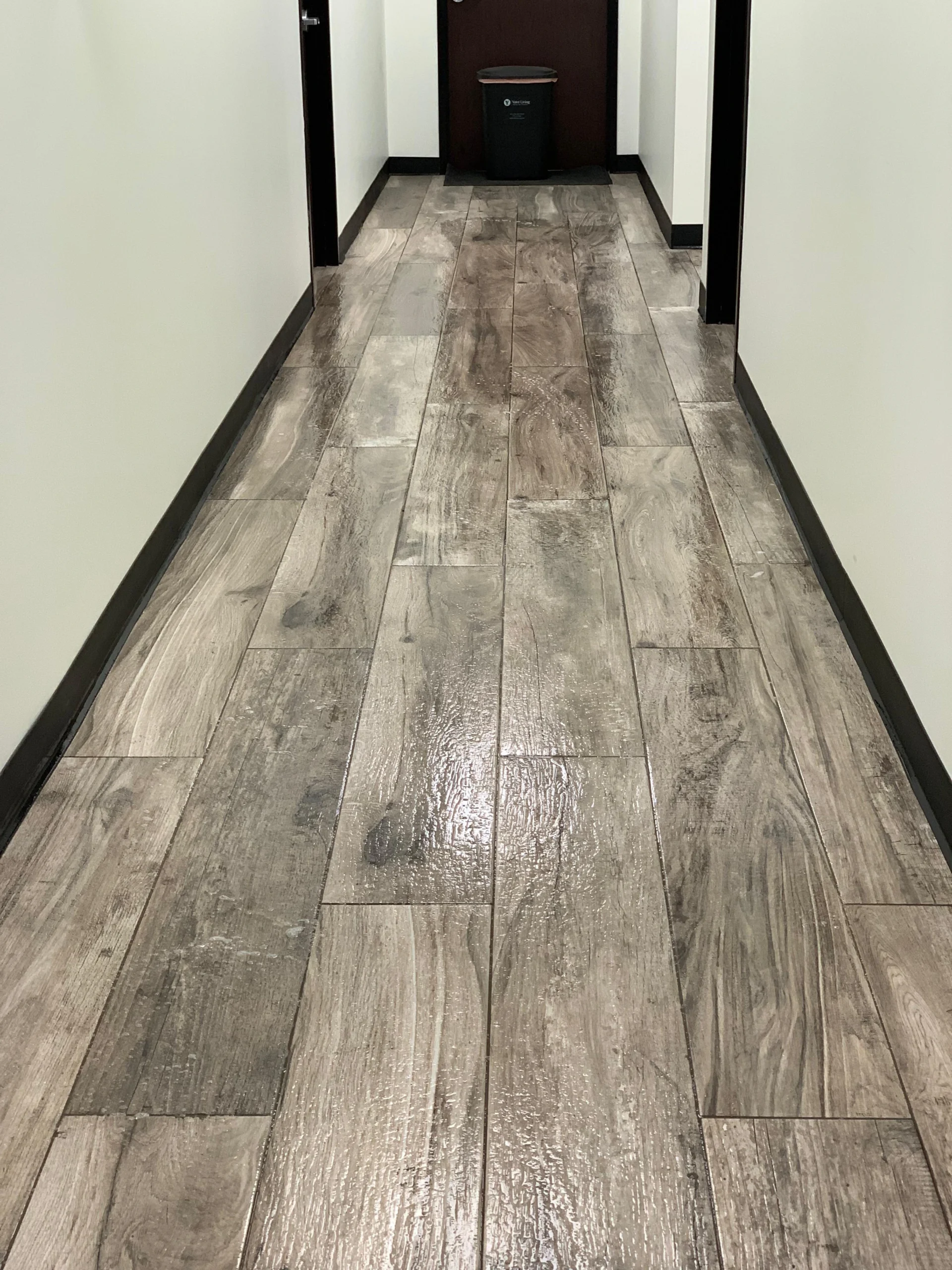
Hard floors can be easier to clean than carpets when it comes to controlling pollen. Sweep and mop regularly to remove any pollen that may have settled. For carpets, deep cleaning is recommended at least once a season. You can explore deep cleaning services in Houston for a thorough clean.
6. Groom Pets Frequently
If you have pets, they can also bring pollen into your home. Regular grooming and bathing can help reduce the amount of pollen they carry. Additionally, consider keeping pets out of bedrooms to minimize exposure to allergens while you sleep.
7. Create a Pollen-Free Zone
Designate certain areas of your home, such as bedrooms, as pollen-free zones. Make it a habit to remove shoes before entering these spaces to prevent tracking in outdoor allergens. This small step can make a significant difference in your indoor air quality.
8. Monitor Outdoor Pollen Levels
Stay informed about the pollen levels in your area. Many weather apps and websites provide daily pollen forecasts. On days when pollen counts are high, take extra precautions by limiting outdoor activities and keeping windows closed.
9. Utilize Doormats and Rugs
Using doormats at all entrances can help trap pollen and dirt before it enters your home. Encourage family members and guests to wipe their feet before stepping inside. Additionally, consider placing rugs in high-traffic areas for easier cleaning.
10. Seek Professional Cleaning Help
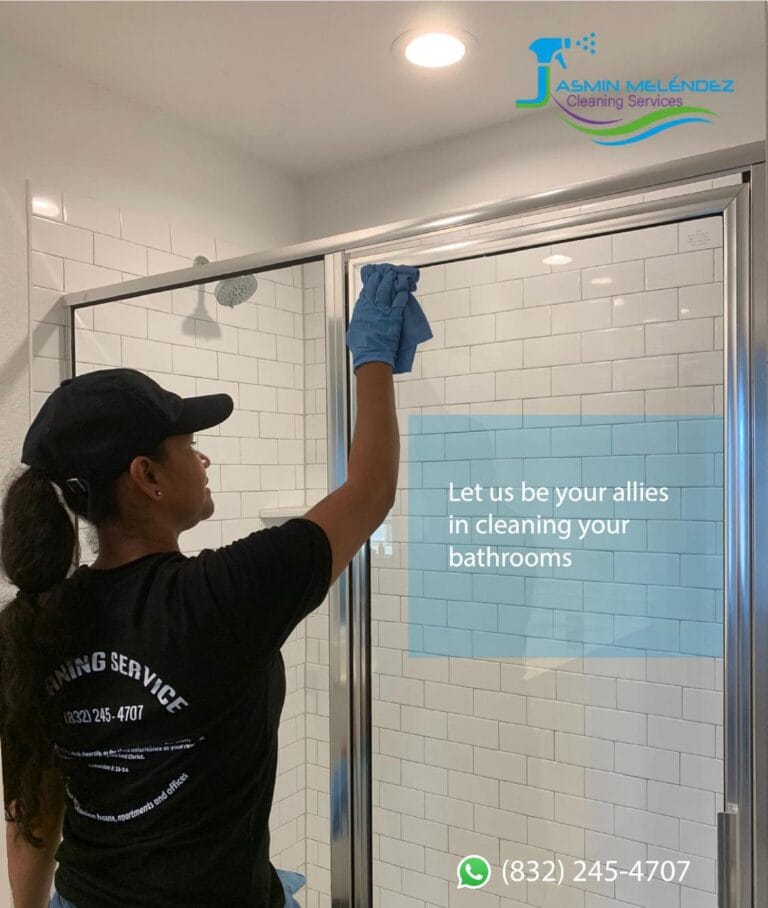
Sometimes, a thorough professional cleaning can make a world of difference, especially if you’re struggling with persistent pollen issues. Consider utilizing house cleaning services to give your home a deep clean and effectively reduce allergens.
11. Maintain Indoor Plants Wisely
While indoor plants can improve air quality, some can also contribute to pollen levels. Choose low-pollen plants and ensure they are well-maintained to prevent mold growth, which can also exacerbate allergy symptoms.
12. Keep Humidity Levels in Check
High humidity can encourage mold and dust mites, which can worsen allergy symptoms. Use dehumidifiers to maintain indoor humidity levels between 30-50%. This not only helps with pollen but also contributes to overall indoor comfort.
13. Change Air Filters Regularly
If you use a central heating or cooling system, be sure to change the air filters regularly. A clean filter will trap more pollen and improve air quality throughout your home.
14. Educate Your Family
Lastly, educating your family about pollen and allergies can empower everyone to take part in reducing allergens in your home. Encourage everyone to adopt habits that minimize pollen exposure, such as keeping windows closed and changing clothes after being outdoors.
Conclusion
Reducing pollen in your home requires a combination of regular cleaning, smart habits, and sometimes professional help. By implementing these strategies, you can create a more comfortable living environment for yourself and your loved ones. If you need assistance with maintaining a clean home, consider reaching out to Jasmin Services Cleaning for tailored cleaning solutions that fit your needs.