Grease can be one of the most stubborn substances to clean in any household. Whether you’re a homeowner, renter, landlord, property manager, or business owner, dealing with grease buildup can be frustrating. From cooking spills in the kitchen to greasy fingerprints on surfaces, it’s essential to have effective strategies for grease removal to maintain a clean and inviting environment.
Understanding Grease and Its Sources
Grease is often a combination of fats, oils, and other food particles that can cling to surfaces over time. Common sources include cooking oils, butter, and even body oils. Understanding where grease comes from can help you target your cleaning efforts effectively. In kitchens, grease typically accumulates around stovetops, backsplashes, and countertops. In other areas, such as living rooms or offices, it may appear on furniture or electronic devices.
Why Traditional Scrubbing May Not Be Enough
Many people resort to scrubbing when faced with tough grease stains. However, traditional scrubbing methods may not always yield the desired results. Over-scrubbing can damage surfaces, and without the right cleaning agents, you may find that grease remains stubbornly in place. Instead of relying solely on elbow grease, consider using specialized cleaning solutions that can break down grease more effectively.

Effective Grease Removal Techniques
Here are some proven techniques to remove grease from various surfaces:
1. Kitchen Surfaces
For countertops and stovetops, a mixture of warm water and dish soap can work wonders. Apply the solution to the affected area and let it sit for a few minutes before wiping it away with a clean cloth. For tougher stains, consider using a vinegar and water solution or a commercial degreaser designed for kitchen use.

2. Appliances
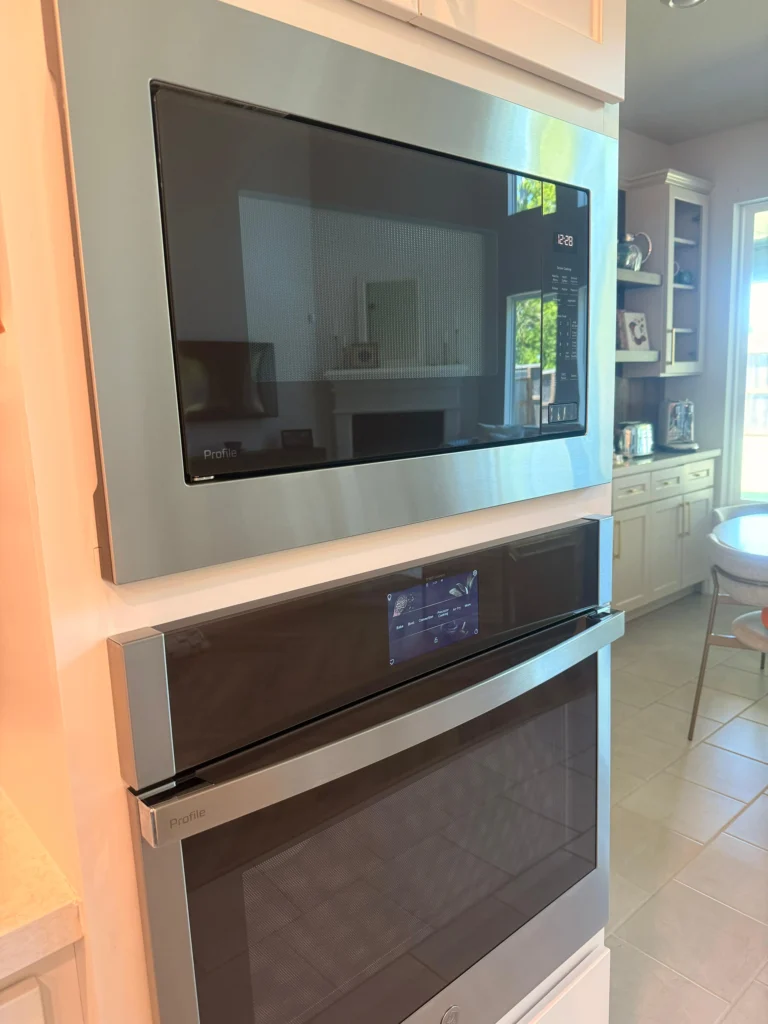
When cleaning appliances like ovens and microwaves, it’s crucial to use the right method. For the interior of ovens, a paste made from baking soda and water can be effective. Apply it to greasy areas, let it sit overnight, and wipe clean the next day. For microwaves, steam cleaning can help—fill a bowl with water and vinegar, microwave it for a few minutes, and then wipe down the interior with a cloth.
3. Floors
Greasy stains on floors require a different approach. For tiled floors, a mixture of vinegar and baking soda can help lift stubborn grease. For hardwood floors, ensure you use a cleaner specifically designed for wood to avoid damage.
4. Upholstery and Fabrics
For greasy stains on upholstery, blot the area with a clean cloth to absorb excess grease. Then, sprinkle baking soda over the stain and let it sit for about 15 minutes. Vacuum up the baking soda and treat the area with a fabric cleaner suitable for your upholstery type.
Preventing Grease Buildup
Prevention is often the best strategy for keeping grease at bay. Here are some tips:
- Wipe down surfaces regularly after cooking to prevent grease from accumulating.
- Use splatter guards when frying to minimize grease splatters.
- Keep kitchen ventilation systems clean and functional.
When to Seek Professional Help
If grease buildup becomes overwhelming or you encounter particularly stubborn stains, it may be time to consider professional cleaning services. Experts can provide deep cleaning services in Houston that target grease and grime effectively, ensuring your home remains spotless.
Why Choose Professional Cleaning Services?
Hiring a professional cleaning service can save you time and effort. These experts have access to specialized tools and cleaning solutions that can remove grease more efficiently than typical household methods. Whether you need house cleaning services or deep cleaning services in Houston, they can help restore your home to its pristine condition.
Conclusion
Dealing with grease in your home doesn’t have to be a daunting task. By employing the right techniques and considering professional help when needed, you can maintain a clean and inviting space. For those in Houston and surrounding areas, contact Jasmin Services Cleaning for expert assistance in tackling grease and other cleaning challenges.